
01 / A GOOD BEGINNING
Puppy foundations
Make the first lessons gentle, manageable, and easy to repeat.
- Name recognition & checking in
- Potty and resting-space routines
- Age-appropriate introductions
Dog training with Carol
More connection on walks. A calmer greeting at the door. Small habits that make sharing life with your dog a little easier.
Practical, reward-based coaching for you and your dog—built around patience, clear cues, and consistent practice.
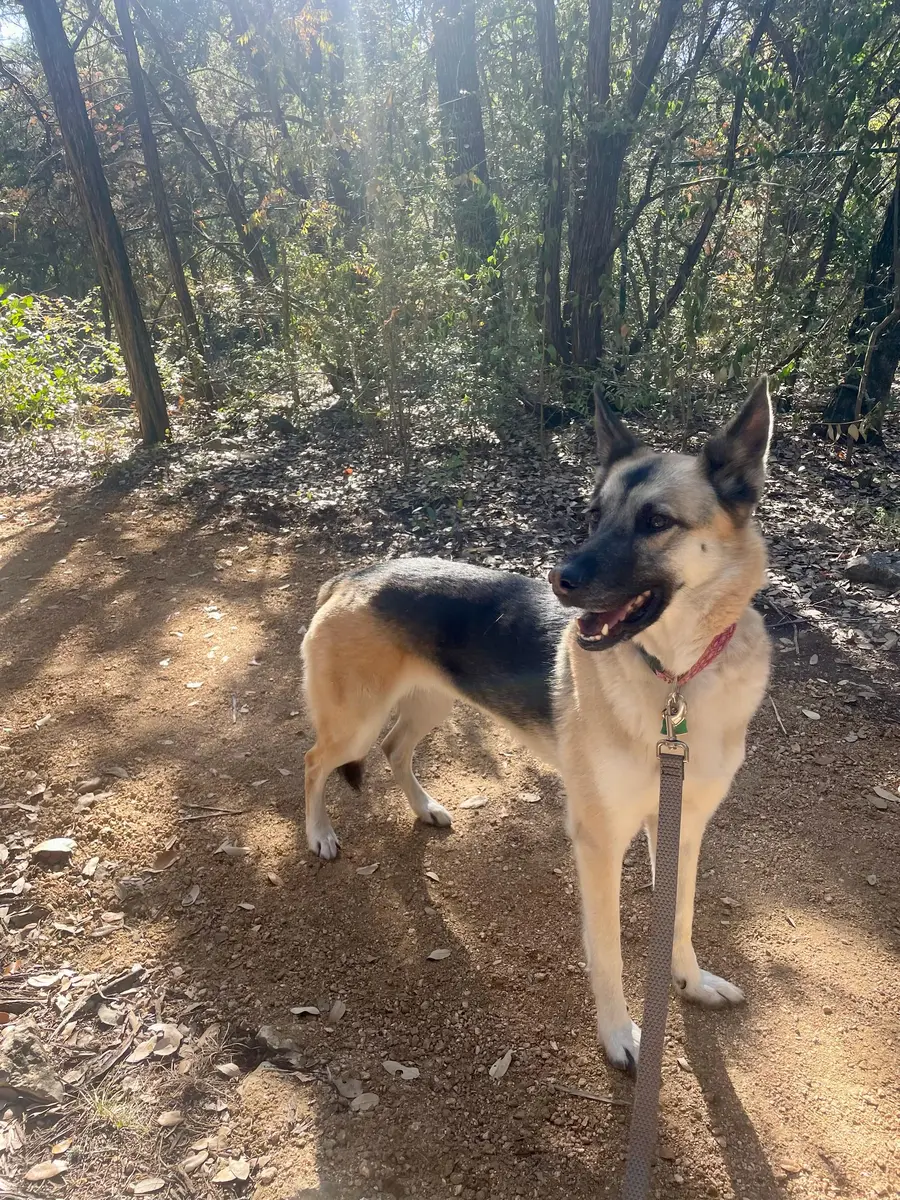
The everyday essentials
Start with the situations that matter to your household. Carol will discuss your goals and confirm whether the work fits her experience.
01 / A GOOD BEGINNING
Make the first lessons gentle, manageable, and easy to repeat.
02 / AT HOME
Give your dog a useful alternative to rushing, jumping, or grabbing.
03 / OUT IN THE WORLD
Build connection at the other end of the leash, without rushing progress.
Illustrations explain training topics; they are not before-and-after results. Puppy activities should follow your veterinarian’s health guidance.
The approach
Teach the behavior you want to see. Reward useful choices, keep the task achievable, and make the next step clear.
No intimidation or pain-based corrections. If a dog is overwhelmed, lower the difficulty rather than adding pressure.
Choose a manageable environment and a small, realistic goal.
Help your dog connect a useful choice with a clear cue and a reward.
Use short, consistent practice in everyday life. Progress varies by dog.
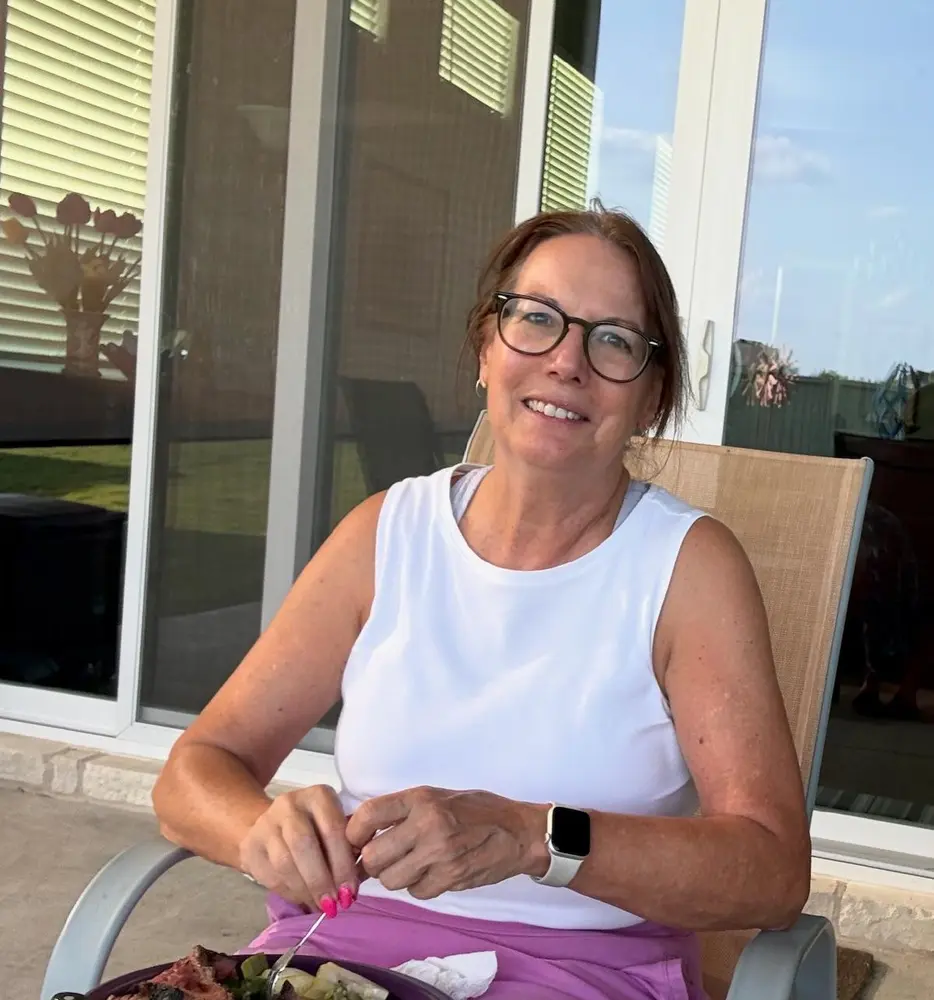
Work directly with Carol
Tell Carol what life with your dog looks like now—and what you’d like to feel easier. Together, discuss a useful starting point rather than a one-size-fits-all promise.
Ask about her hands-on experience, the methods she uses, and how you can keep practice consistent at home.
Experience-led, not certification-led. Carol does not hold a formal dog-training certification. Her service focuses on everyday skills and routines, not veterinary care or specialist behavior treatment.
Clear pricing
Training is separate from pet sitting and dog walking. Confirm session length, location, availability, and total fee with Carol before booking.
Share your dog’s age, health, routines, and behavior history—including fear or any bite incidents.
Discuss the goals and methods. Carol confirms whether the request is within her experience.
Learning depends on the individual dog and consistent practice. No fixed outcome or timetable is guaranteed.
Before we begin
No. Carol does not hold a formal dog-training certification. Her offering is practical coaching for everyday manners and routines. Discuss her experience and methods before deciding whether she is the right fit for your dog.
No. Everyday-skills topics also apply to adult dogs. The work should suit the individual dog’s health, comfort, mobility, and experience.
Ask Carol first. Training is not automatically included in a walk or pet-care booking. Any added practice, time, and fee must be agreed in advance.
These concerns, along with sudden behavior changes, are outside the scope of this everyday-skills service. Start with your veterinarian to assess possible health factors and discuss referral to a veterinary behaviorist or appropriately qualified behavior professional. Disclose these concerns before booking.
Training supports learning; it is not a guaranteed transformation. Health, history, environment, and practice all matter. Agree on realistic goals and review progress rather than assuming a fixed completion date.
Let’s start with your dog
Share a little about your dog and the skill you’d like to work on. Carol will discuss suitability and availability before confirming a session.
Dog training · $195 per hour. An inquiry does not reserve an appointment.